- Choosing a Rose Bouquet forSympathy and Remembrance
Choosing flowers to send in sympathy is rarely straightforward. It is often done at a distance, in moments where words feel insufficient, and where the intention is simply to acknowledge, to comfort, and to show that someone is being thought of, and that they are not alone in their loss. At the same time, the act of sending is often shaped by your own sense of loss, navigating what to say, and how best to express it. A David Austin Rose Bouquet offers a gentle way to do this. With their soft, petal-rich form and natural elegance, roses bring a quiet presence into the home, expressing compassion with restraint and care.
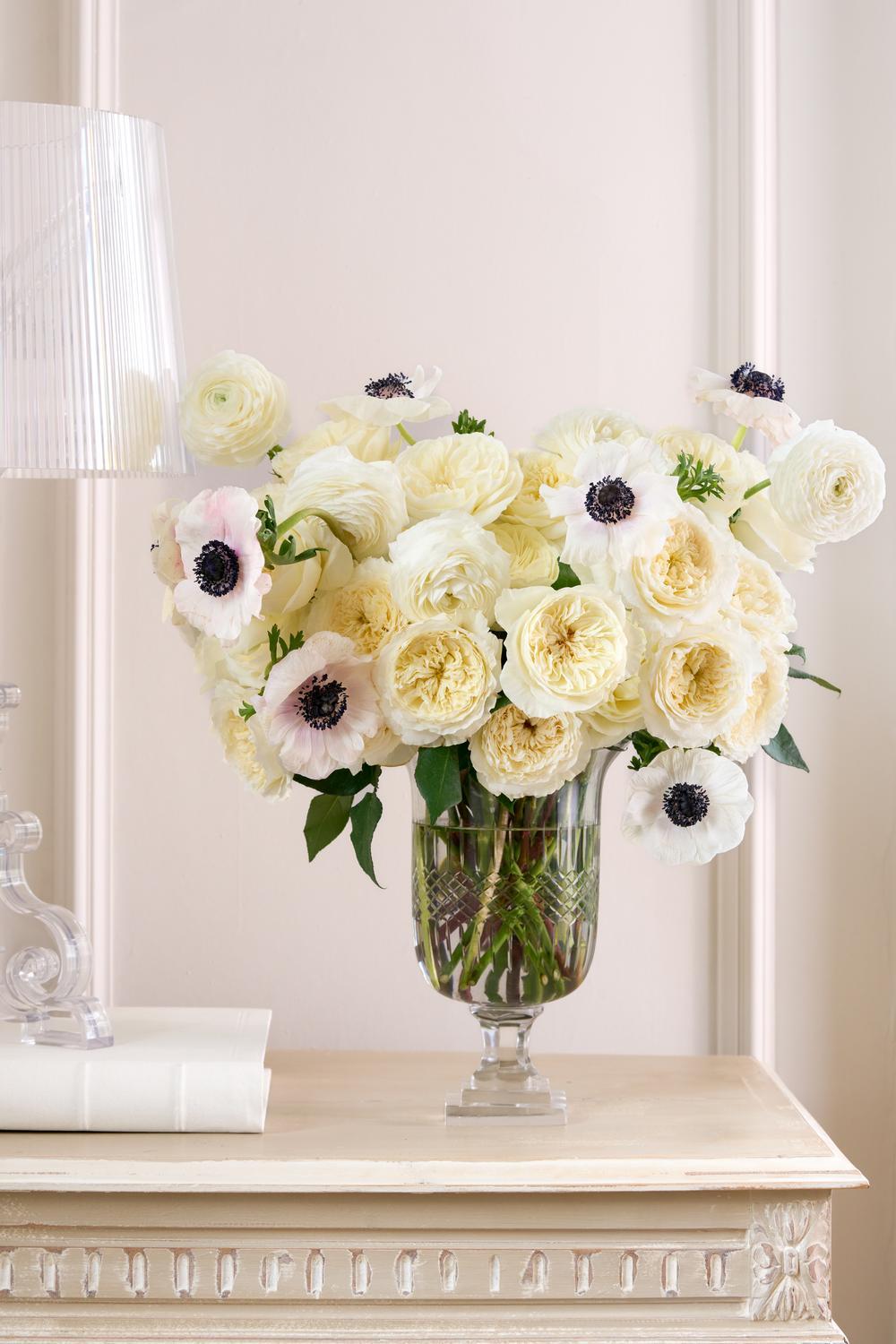
For many, sympathy flowers are chosen to reflect calm, respect and simplicity. Soft whites and creams have long been associated with condolence, offering a palette that feels understated and appropriate across all settings.
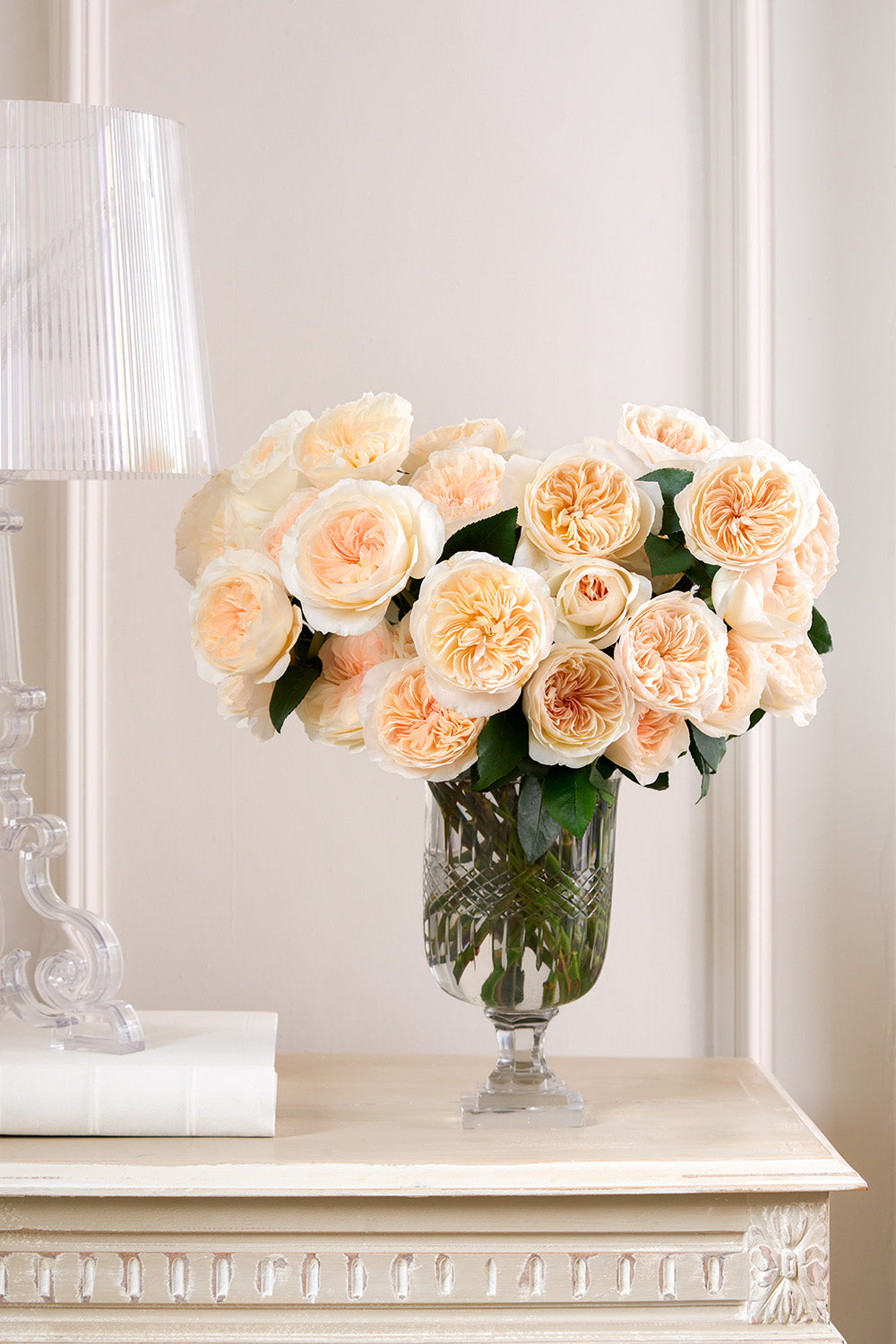
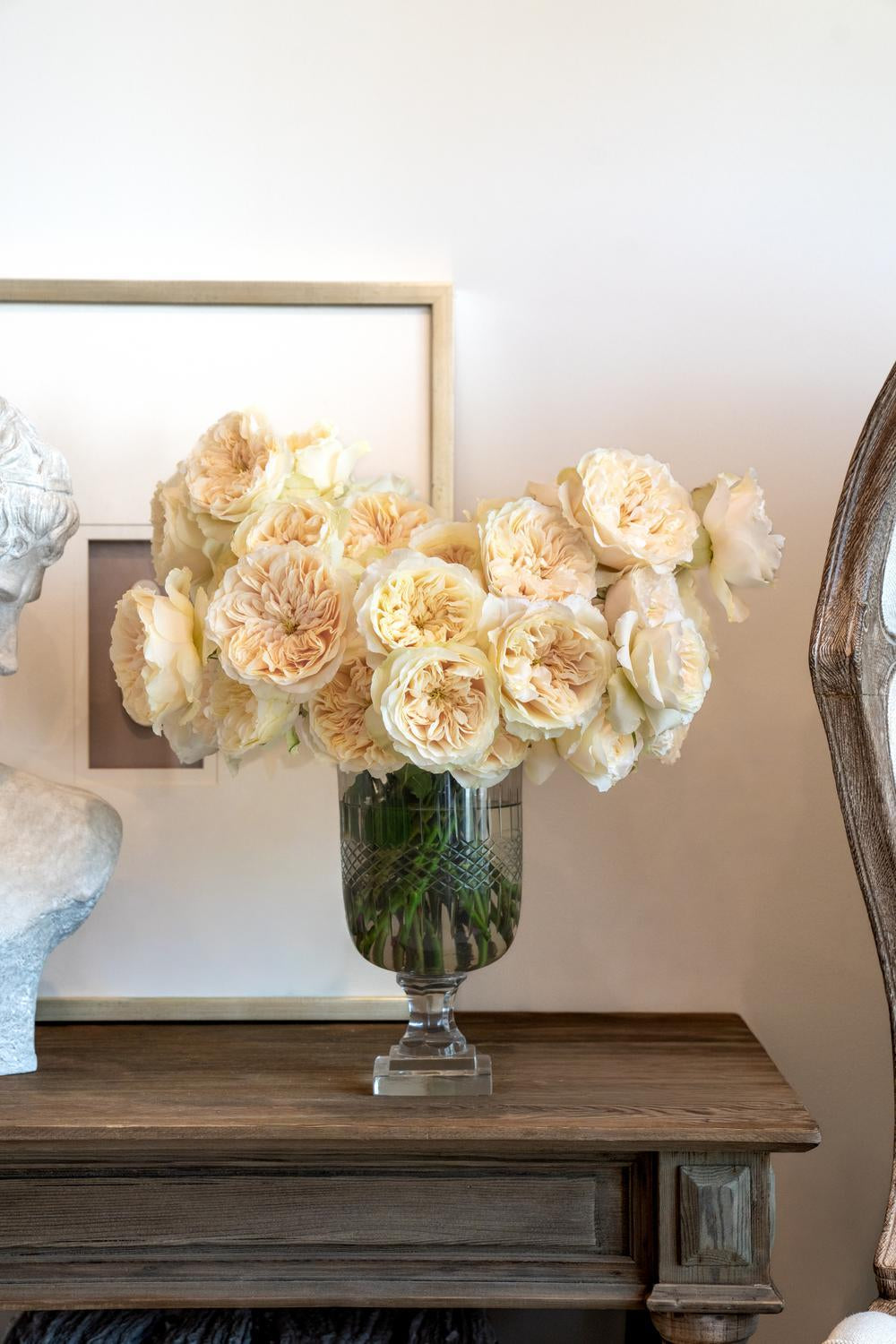
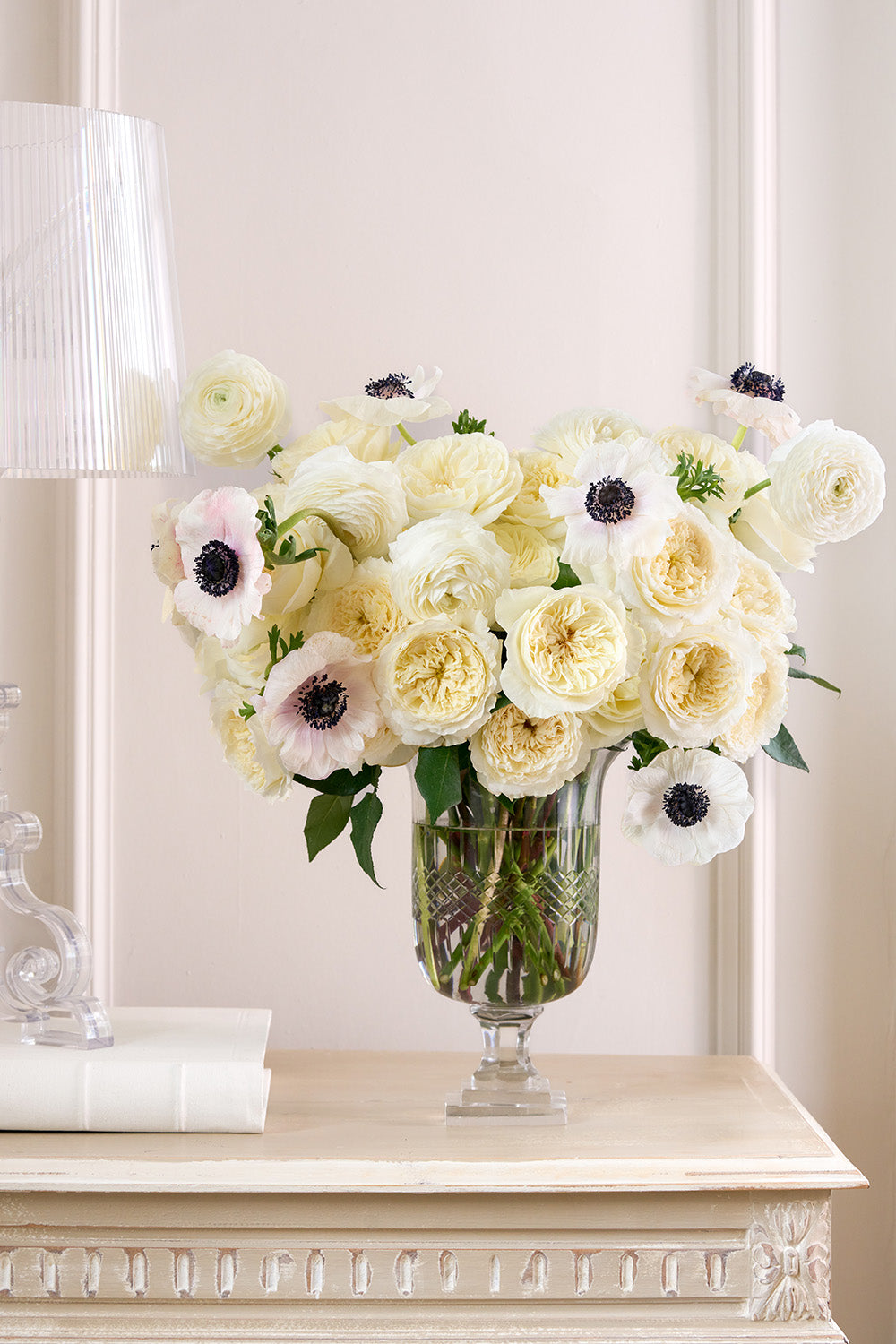
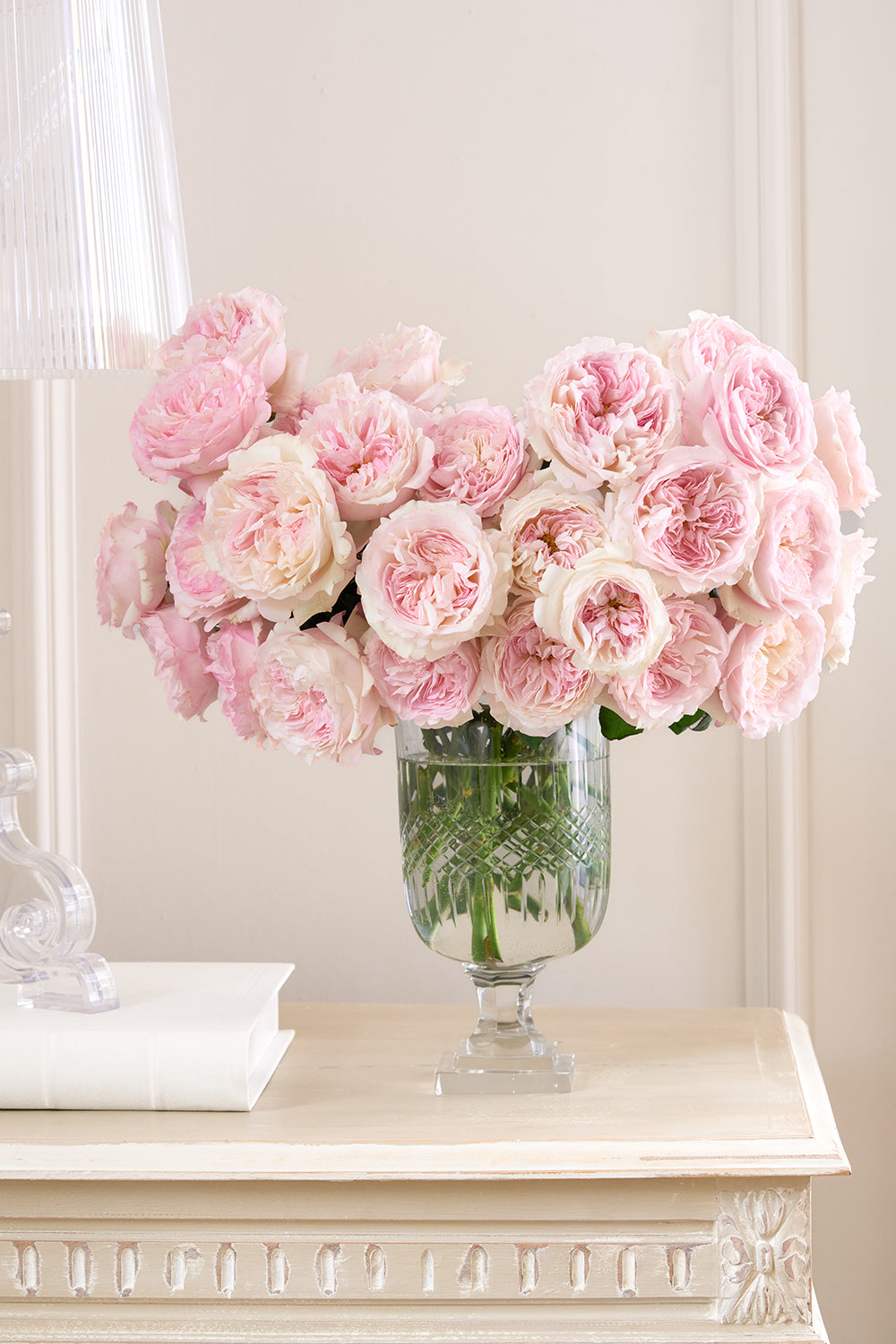
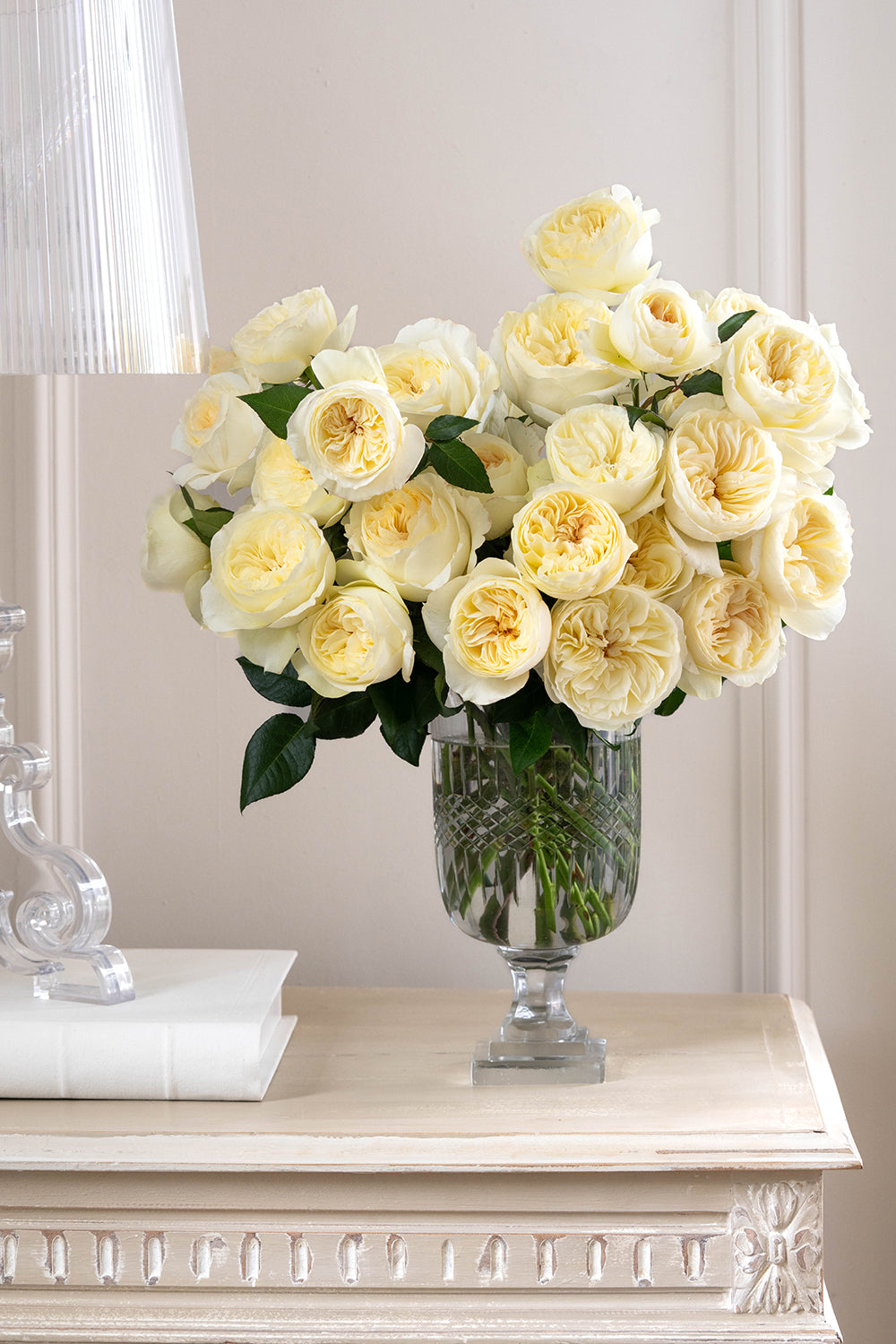
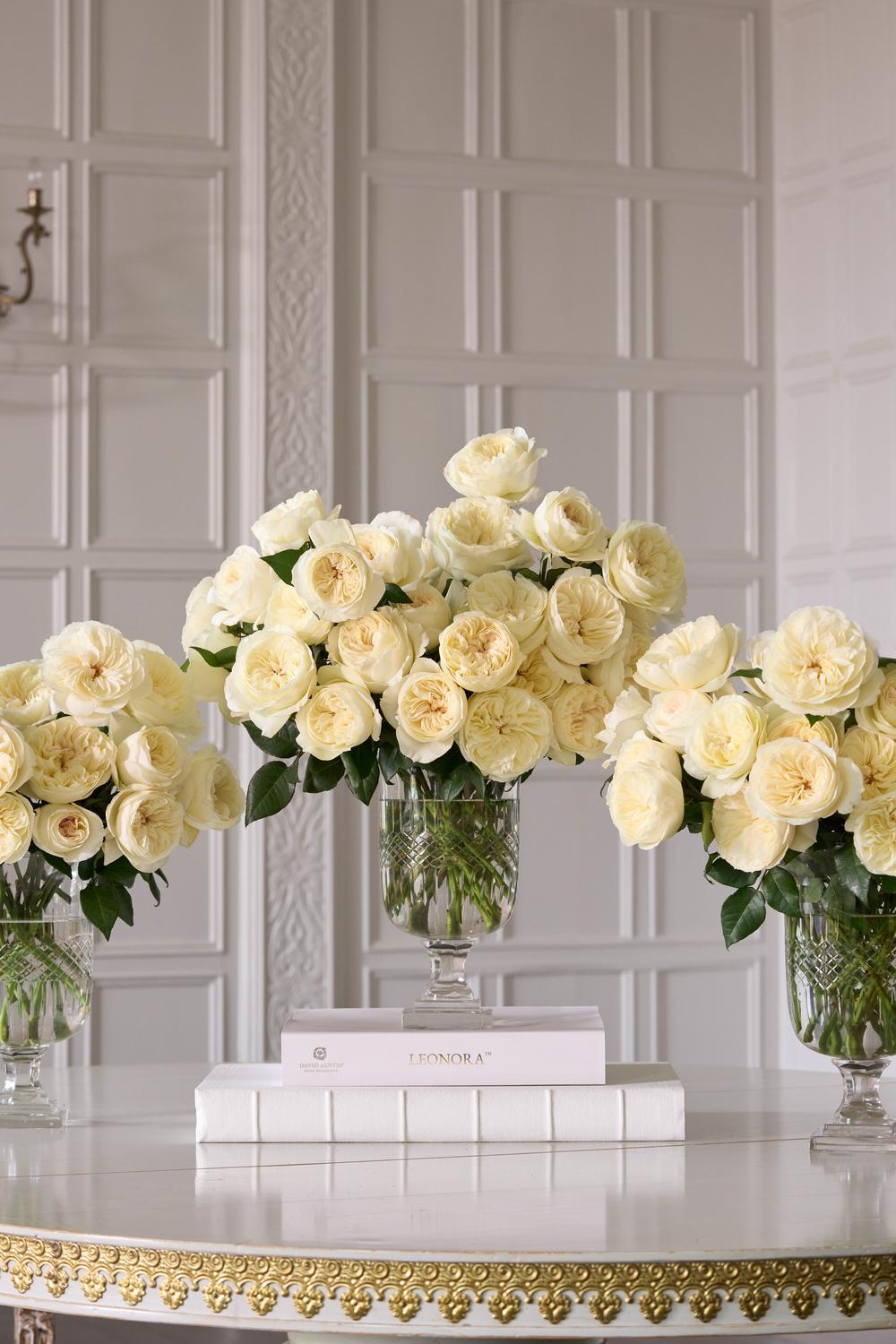
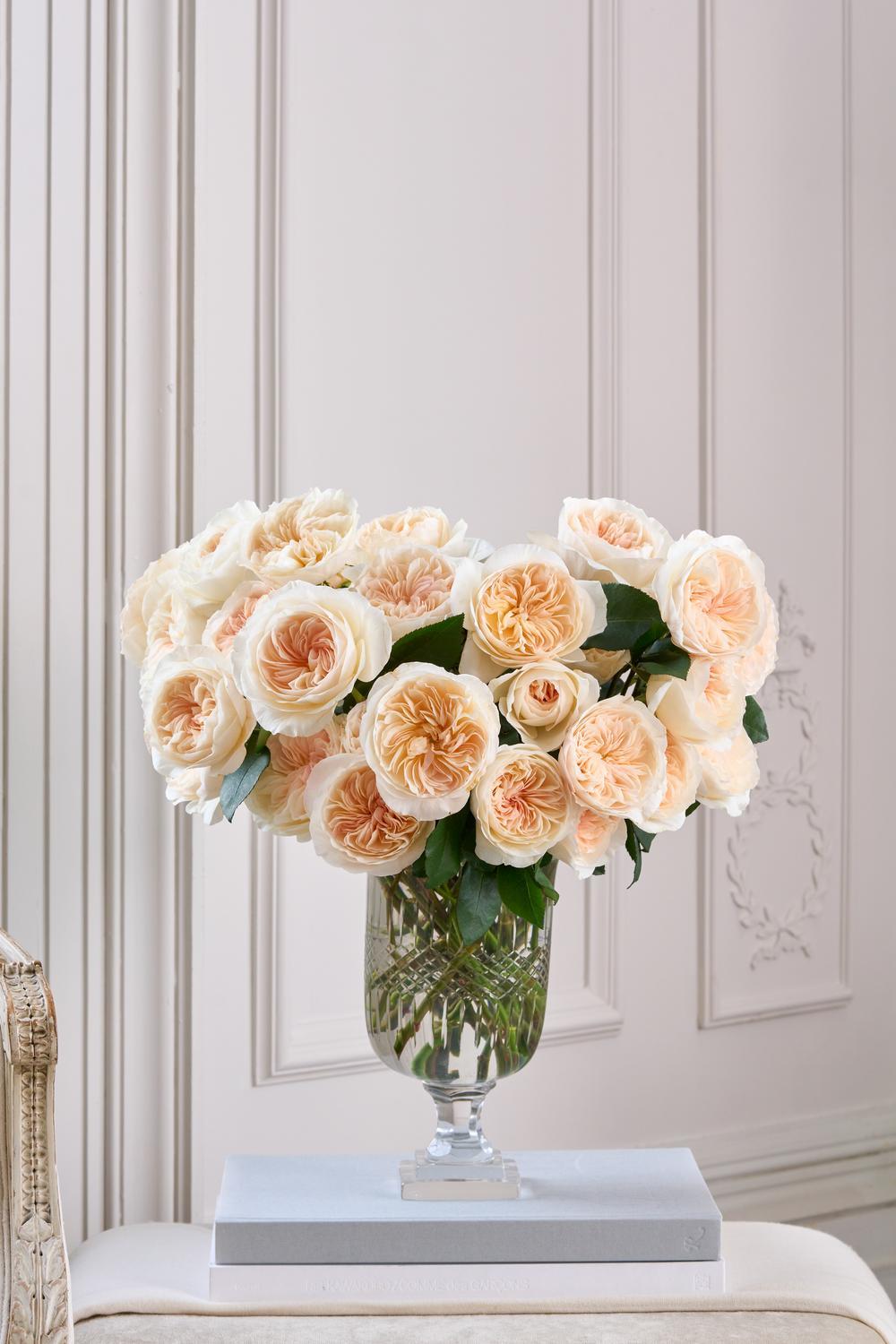
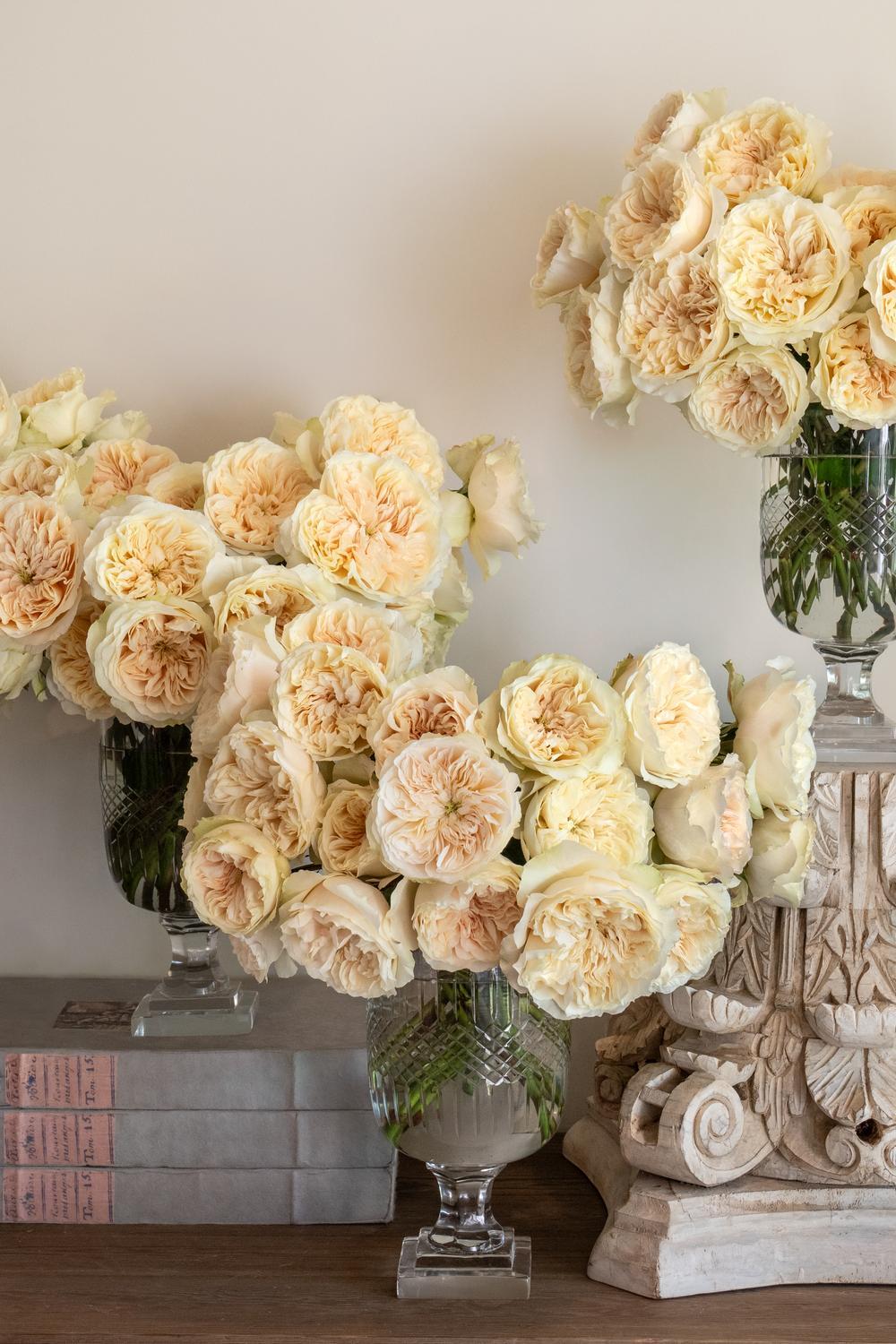
A David Austin Rose Bouquet in these tones brings a composed and refined presence. Leonora, with its creamy, luminous petals, offers a classic expression of sympathy. Tailored White offers a layered composition of soft white tones, bringing depth and quiet variation within a refined palette, while Enid introduces softness through its delicate blush undertones. Bessie, with its gentle warmth, offers something slightly more nuanced while remaining firmly within a traditional palette.
These bouquets are particularly suited to moments where formality is important, whether sent directly to the family or arranged for delivery to a funeral service. When personal preferences are unknown, they offer reassurance, conveying thoughtfulness in a way that feels both respectful and considered.
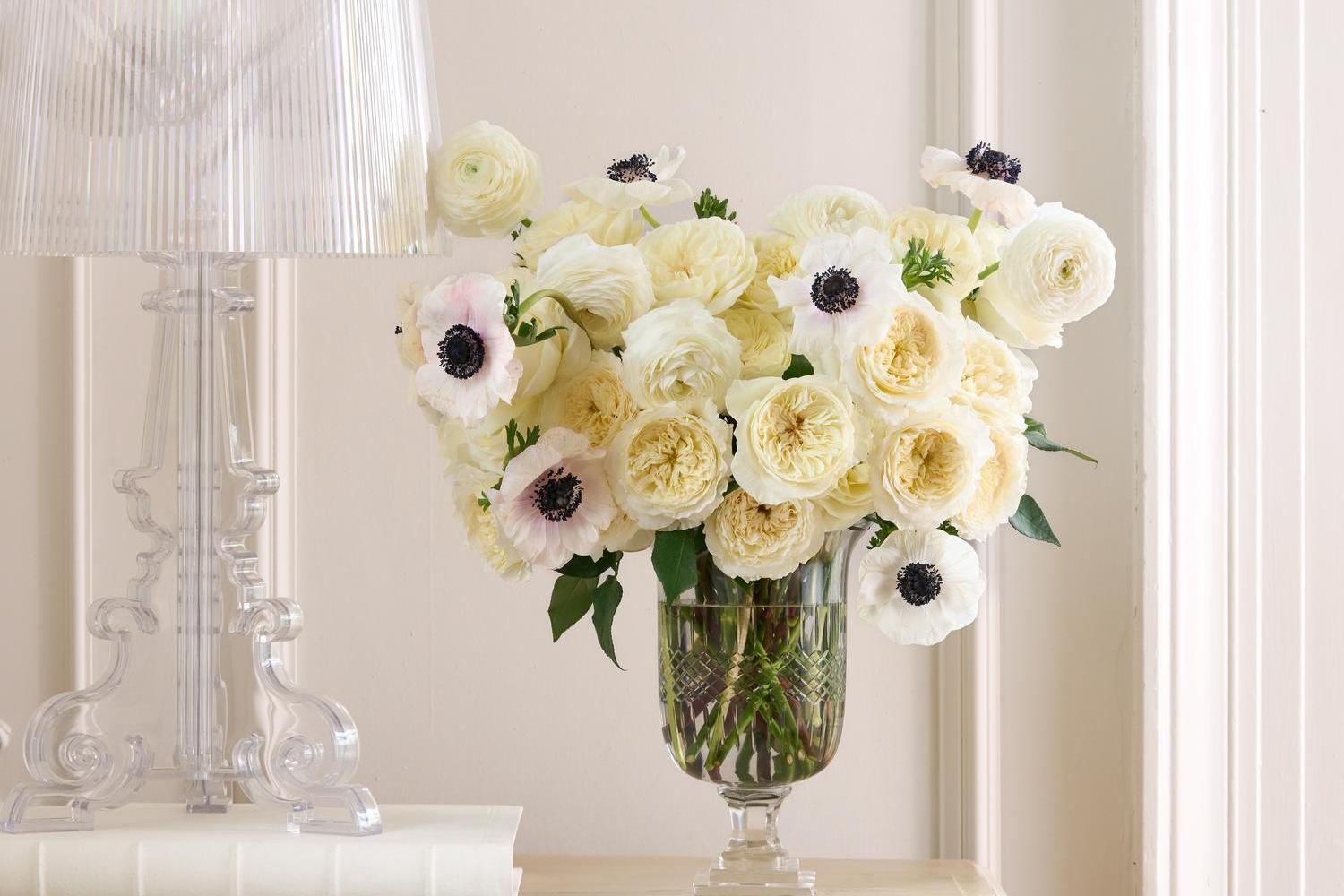
Increasingly, sympathy flowers are chosen not only to express condolence, but to reflect the life of the person being remembered. In these moments, there is often a shift towards a more personal approach, where colour and composition are chosen to acknowledge individuality with care.
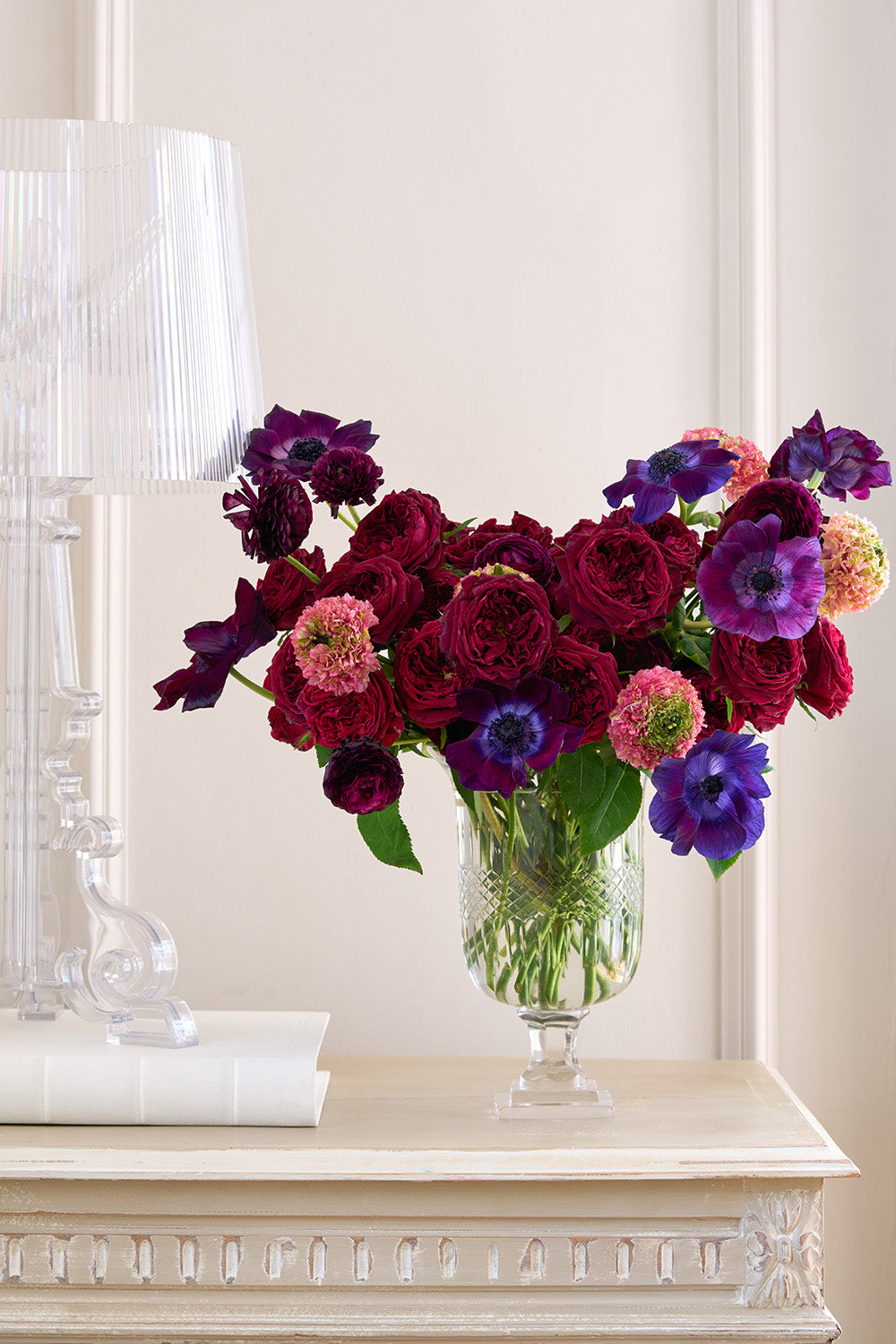
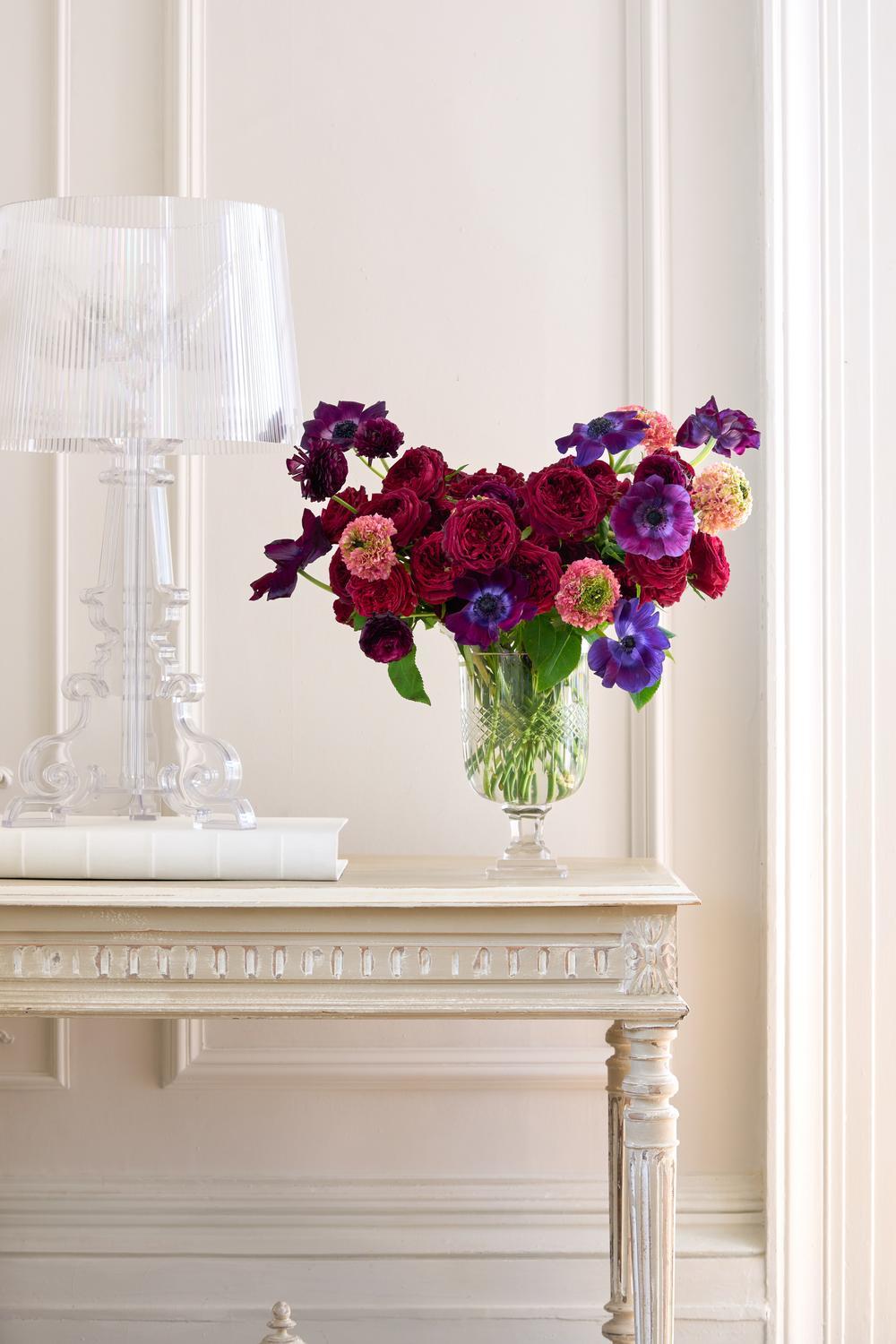
For someone known for their warmth or vibrancy, a bouquet with greater depth of tone can feel appropriate, offering a quiet celebration of their character while remaining elegant. Where a particular colour held meaning, whether a favourite shade or something closely associated with them, incorporating this into the bouquet creates a more personal and considered tribute.
The intention is not to move away from sympathy, but to express it in a way that feels specific and reflective. A Rose Bouquet chosen in this way honours not only loss, but the life that was lived, held within a form that remains composed, thoughtful, and quietly assured, offering comfort in remembering as well as in grieving.
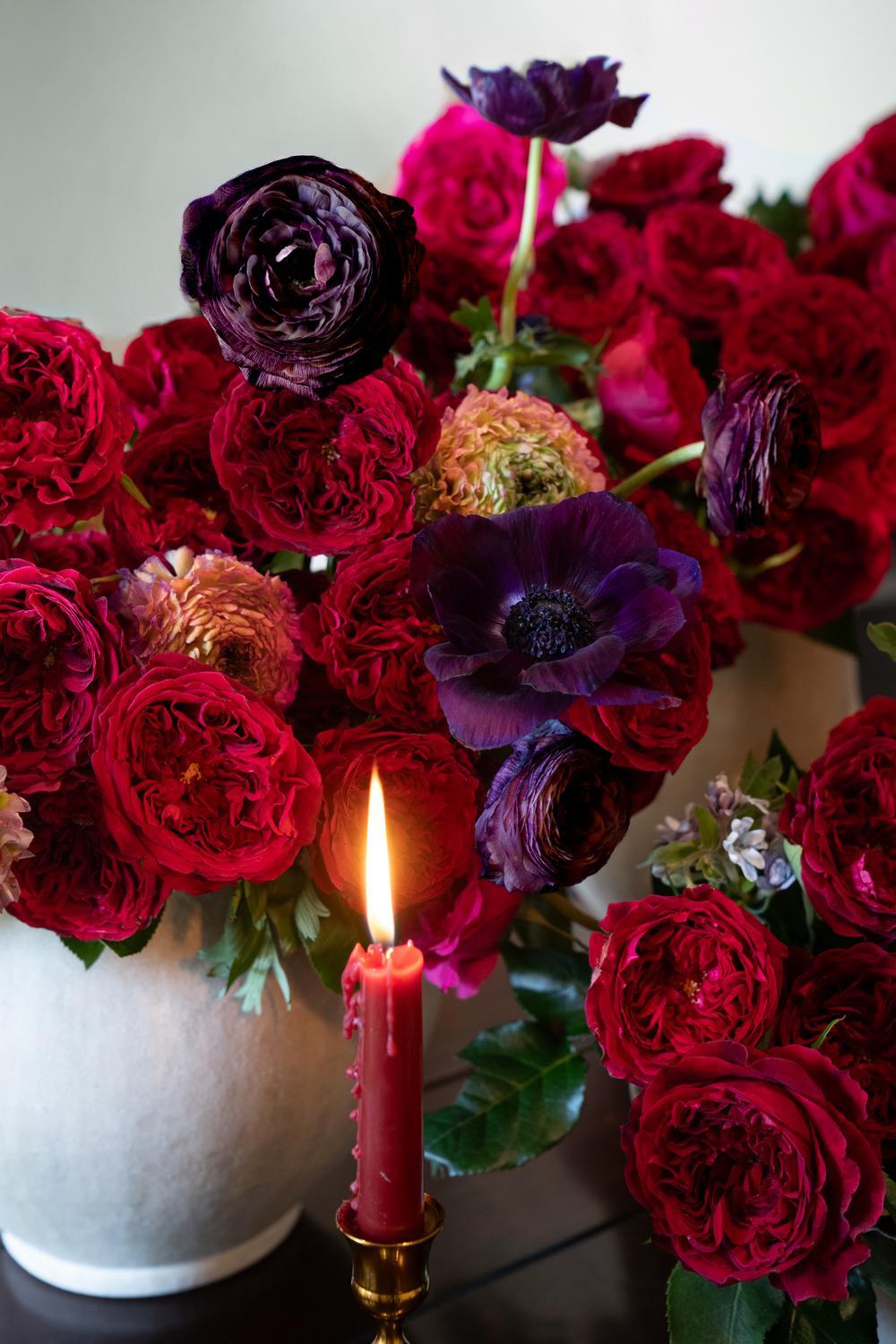
When sending flowers in sympathy, there are often practical considerations alongside the emotional ones. Understanding where the bouquet will be received can help guide your choice. If sending directly to the family home, a Rose Bouquet offers a quiet, ongoing presence as people gather, reflect and begin to navigate the days ahead. In contrast, flowers sent to a funeral service form part of a shared setting, where arrangements are viewed collectively and contribute to the overall atmosphere.
The relationship you hold may also influence your decision. A closer relationship may call for something more personal, while a more formal connection may feel better suited to a classic, understated arrangement Timing is equally important. Sending flowers shortly after the news is received offers immediate acknowledgement, while a bouquet sent in the days that follow can provide continued comfort once initial gatherings have passed.
In time, these gestures often extend beyond the immediate moment. Flowers may be sent on birthdays, anniversaries, or significant dates, offering a way to remember with quiet consistency. A Rose Bouquet chosen on these occasions becomes part of an ongoing expression of care, marking not only loss, but a continued sense of connection.
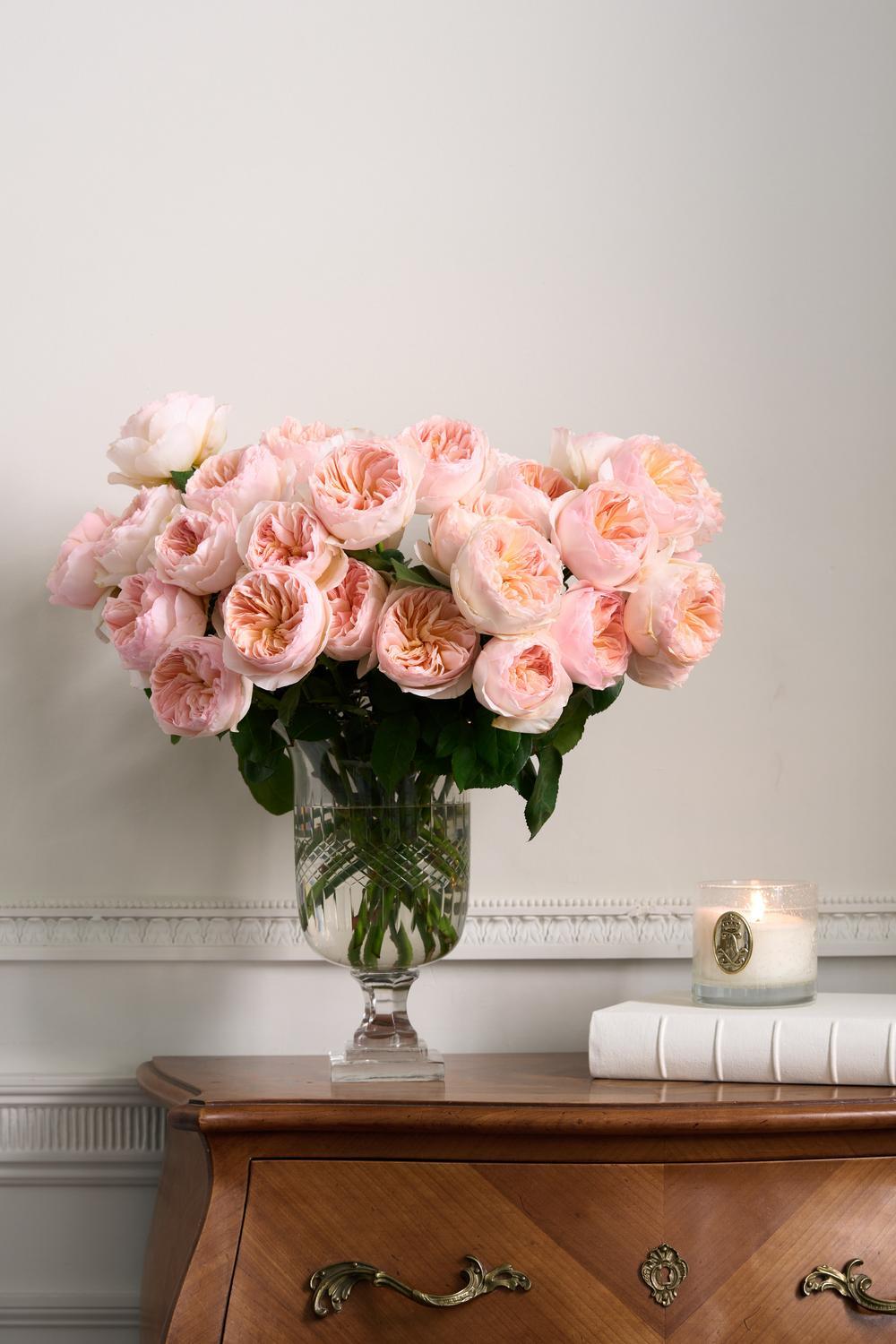
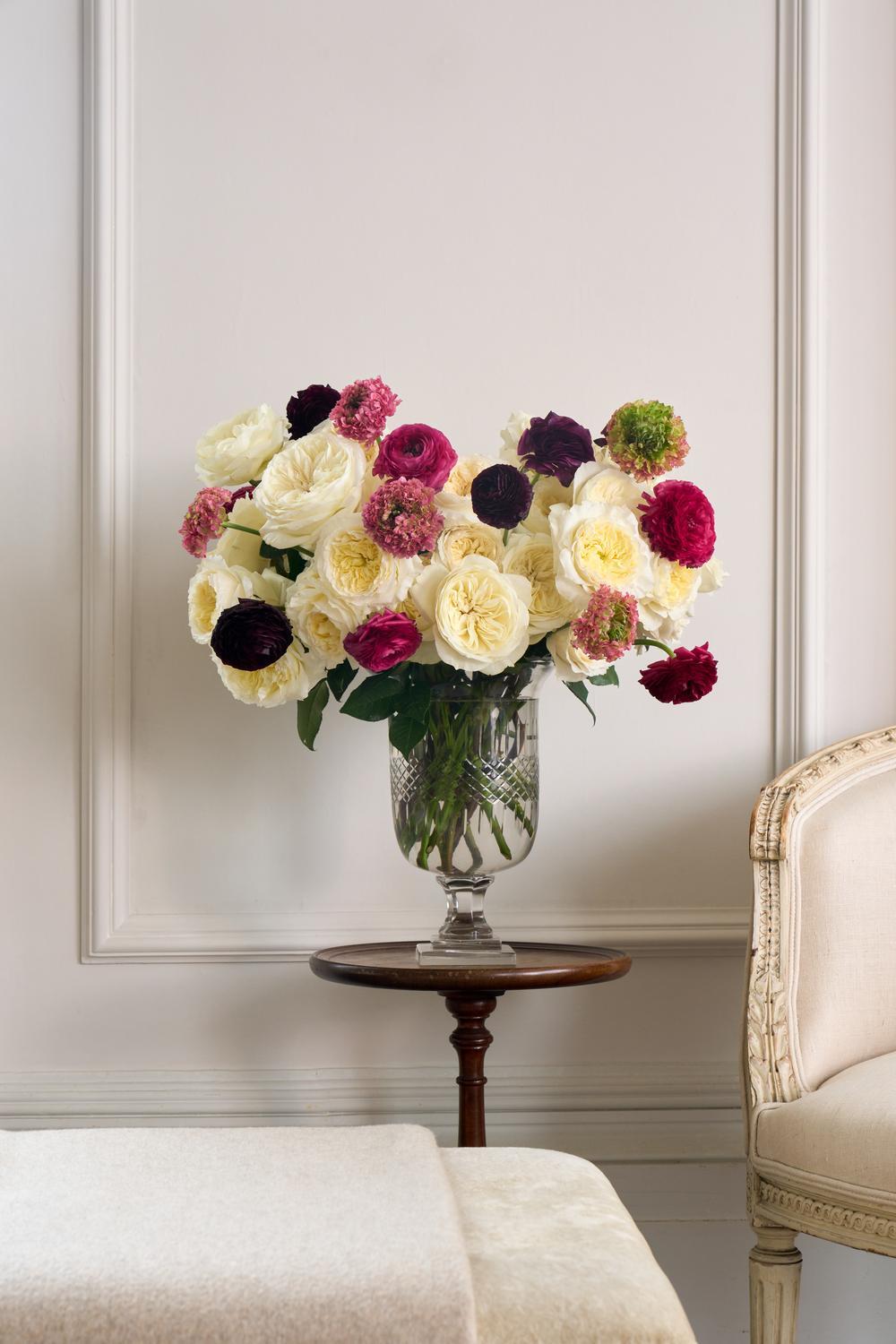
In moments of sympathy, it is often the smallest gestures that are felt most deeply. A Rose Bouquet does not seek to say everything, but to offer something considered, something present. Chosen with care, it becomes part of how comfort is expressed, quietly and without expectation. A gentle presence within the home, it offers a sense of thoughtfulness that remains, even as the days pass.